Coverage

Loggers general liability

Third-party protection for the operations part of the job.

A landowner's fence, a neighboring stand, a visitor to the site — general liability responds when your operations cause injury or damage to someone other than your own crew and equipment.
The liability behind daily operations

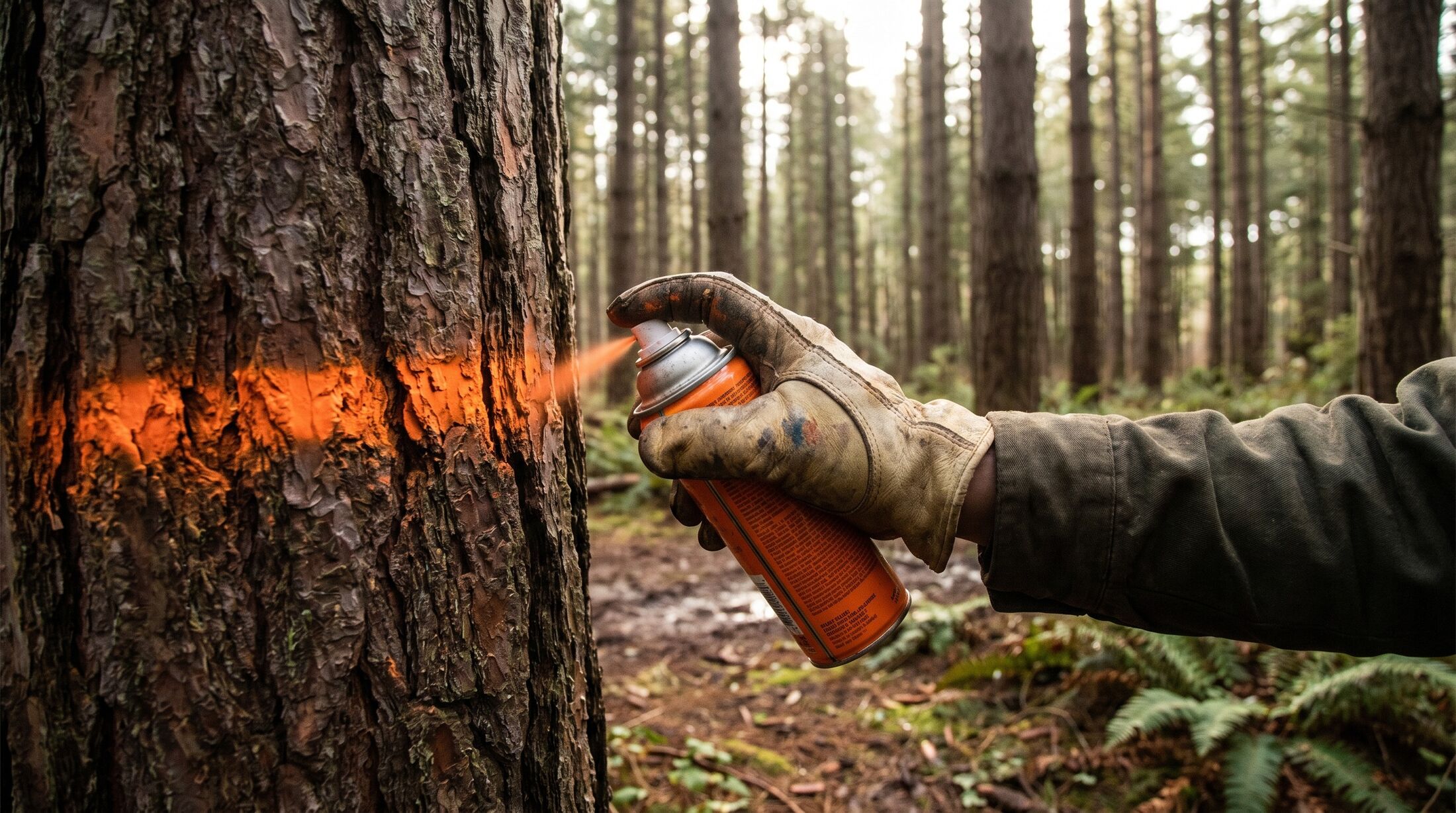
Loggers general liability covers bodily injury and property damage that your logging operations cause to third parties — not your own trucks, not your own equipment, and not your own employees, who fall under workers compensation instead. Think of a skidder trail that damages a neighboring landowner's fence, a felled tree that lands outside the marked boundary, or a visitor injured near an active site.

General liability is foundational to almost every logging contract. Mills, landowners, and timber companies routinely require proof of GL with specific limits before they will let a contractor onto a tract, and the certificate of insurance is often the first document requested during a bid.

Longleaf® writes GL for logging contractors as a core, everyday exposure rather than an afterthought — priced and structured around premises and operations risk in the woods, not a generic contracting class code that does not reflect how a harvest actually runs.

Loggers general liability Loggers General Liability
What's covered

What loggers general liability includes

Premises & operationsInjury or property damage arising from your active job sites.
Products & completed operationsExposure that continues after a phase of work is finished.
Personal & advertising injuryCertain non-physical injury claims tied to your operations.
Medical paymentsLimited no-fault medical costs for minor third-party injuries.
Damage to timber & standing propertyThird-party property exposure common to harvest boundaries.
Certificates of insuranceFast COI turnaround for mills, landowners, and prime contractors.
Contractual liabilityLiability assumed under typical logging and timber contracts.
Defense costsLegal defense for covered claims, in addition to policy limits.
Why Longleaf®

Why contractors place GL with Longleaf®

01
Written for logging, not general contracting

Premises and operations risk rated for the woods, not a generic job site.

02
Contract-ready limits

Limits and forms built to satisfy mill and landowner requirements.

03
Fast certificates

COIs turned around quickly so bids and job starts are not delayed.

04
Part of a full program

Coordinated with your auto, equipment, and excess coverage.

Available across our 14 states

Longleaf® writes loggers general liability for logging operations throughout the Southeast and beyond.

FAQ

Got questions? We've got answers.

Does general liability cover damage to my own equipment?
No. GL responds to third-party injury and property damage. To cover your own machines, see logging equipment insurance or loggers broad form.
Does this cover my truck accidents?
No. Auto liability for your trucks is written separately under log truck insurance. General liability covers non-auto premises and operations exposure.
What GL limits do mills and landowners usually require?
Requirements vary by contract, but many mills and landowners ask for limits around $1,000,000 per occurrence, sometimes paired with an umbrella requirement. We help you match limits to the contracts you are bidding.
How fast can I get a certificate of insurance?
Quickly — COIs are one of the most common requests we handle, and turning them around fast is part of keeping your bids and job starts on schedule.
Do I need general liability if I already have workers compensation?
Yes, they cover different people. Workers compensation addresses your own employees' injuries; general liability addresses injury or damage to third parties such as landowners, visitors, or the public.
How do I get a GL quote?
Find a Longleaf® agent — they will review your operations and contracts and bring back the right limits.

Ready to protect your operation?

Get connected with a Longleaf® agent who knows logging inside and out.

Find an agent